
Introduction
Have you ever started intermittent fasting with enthusiasm, only to feel exhausted, irritable, or unable to shake those persistent cravings? You’re not alone. While intermittent fasting has become one of the most popular wellness trends, many women struggle not because of the fasting itself, but because they’re uncertain about what to eat during their eating windows.
Here’s a surprising fact: A 2020 study published in the journal Cell Metabolism found that women who strategically chose nutrient-dense foods during their eating periods experienced 43% better results in maintaining energy levels and hormonal balance compared to those who didn’t pay attention to food quality.
The truth is, what you eat during intermittent fasting matters just as much as when you eat—especially for women, whose bodies have unique hormonal needs. This comprehensive guide will show you exactly what to eat during intermittent fasting for women, complete with practical meal examples and science-backed strategies.
- Introduction
- Understanding Women's Unique Nutritional Needs During Intermittent Fasting
- The Essential Food Groups: What to Eat During Intermittent Fasting for Women
- Sample Meal Plans: What to Eat During Intermittent Fasting for Women
- Foods to Prioritize During Different Cycle Phases
- What NOT to Eat During Intermittent Fasting for Women
- Expert Tips for Optimizing Your Intermittent Fasting Nutrition
- Hydration and Beverages: The Often-Forgotten Element
- Supplements to Support Your Intermittent Fasting Journey
- Common Mistakes Women Make With Intermittent Fasting Nutrition
- Adapting Your Nutrition Strategy Over Time
- Frequently Asked Questions (FAQ)
- Conclusion: Your Path to Intermittent Fasting Success
Understanding Women’s Unique Nutritional Needs During Intermittent Fasting
Women’s bodies respond differently to fasting than men’s, primarily due to hormonal fluctuations throughout the menstrual cycle. Your eating strategy needs to support, not sabotage, your delicate hormonal balance.
Why Women Need a Different Approach
According to research from the University of California, women are more sensitive to calorie restriction signals. When you fast, your body can interpret this as potential starvation, triggering hormones like ghrelin (the hunger hormone) more aggressively than in men.
This means the foods you choose during your eating window must be strategically selected to:
- Support stable blood sugar levels
- Provide adequate protein for muscle preservation
- Include healthy fats for hormone production
- Deliver essential micronutrients for energy and mood
The Essential Food Groups: What to Eat During Intermittent Fasting for Women
High-Quality Protein Sources
Protein is your best ally during intermittent fasting. It keeps you satisfied longer, preserves lean muscle mass, and supports metabolic health—all crucial for women’s wellness.
Top protein choices include:
- Wild-caught salmon and fatty fish (omega-3 rich)
- Organic eggs (complete protein profile)
- Greek yogurt (probiotic benefits)
- Lean poultry and grass-fed meats
- Plant-based options: lentils, chickpeas, tempeh
- Protein powder (whey or plant-based for smoothies)
Practical Example: Start your eating window with a 3-egg omelet filled with spinach and mushrooms, paired with half an avocado. This combination provides approximately 25 grams of protein and healthy fats to break your fast gently.
Healthy Fats for Hormonal Balance
Fats aren’t the enemy—they’re essential for producing hormones like estrogen and progesterone. A 2019 study in Nutrients journal confirmed that women consuming adequate healthy fats during time-restricted eating maintained better menstrual regularity.
Include these healthy fats:
- Avocados (rich in potassium and fiber)
- Extra virgin olive oil
- Raw nuts and seeds (almonds, walnuts, chia, flax)
- Coconut oil and coconut products
- Fatty fish (sardines, mackerel, salmon)
- Full-fat dairy (if tolerated)
Complex Carbohydrates for Sustained Energy
Contrary to popular belief, carbohydrates aren’t off-limits during intermittent fasting. Women actually need more carbs than men to support thyroid function and reproductive health.
Smart carbohydrate choices:
- Sweet potatoes and root vegetables
- Quinoa and brown rice
- Oatmeal and whole grains
- Berries and low-glycemic fruits
- Leafy greens and cruciferous vegetables
- Legumes and beans
Sample Meal Plans: What to Eat During Intermittent Fasting for Women
16:8 Method Meal Plan (8-Hour Eating Window)
Breaking Your Fast (12:00 PM):
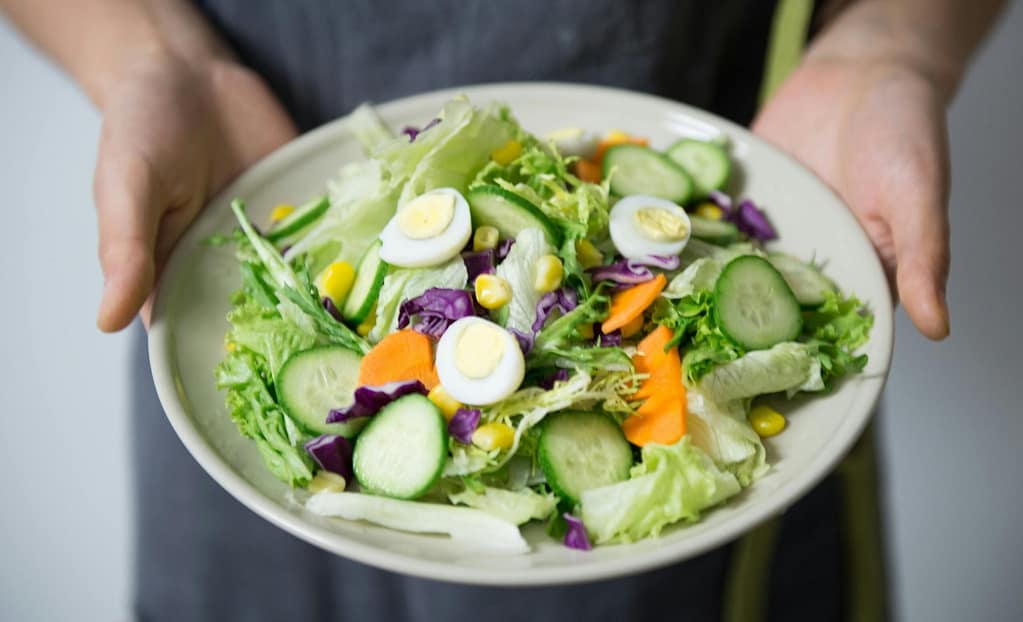
- Grilled chicken salad with mixed greens, cherry tomatoes, cucumber, pumpkin seeds, and olive oil vinaigrette
- Side of hummus with carrot sticks
- Green tea or water with lemon
Afternoon Snack (3:00 PM):
- Apple slices with almond butter
- Handful of walnuts
Dinner (7:00 PM – Last Meal):
- Baked salmon (6 oz) with herbs
- Roasted Brussels sprouts in olive oil
- Quinoa pilaf with mushrooms
- Small square of dark chocolate (70% cacao or higher)
14:10 Method Meal Plan (10-Hour Eating Window)
First Meal (10:00 AM):
- Greek yogurt parfait with berries, chia seeds, and a drizzle of honey
- Two hard-boiled eggs
- Herbal tea
Lunch (2:00 PM):
- Turkey and avocado wrap with whole grain tortilla
- Side salad with vinaigrette
- Orange slices
Snack (5:00 PM):
- Celery sticks with cashew butter
- Cherry tomatoes
Dinner (7:30 PM):
- Stir-fried tofu or chicken with broccoli, bell peppers, and snap peas
- Brown rice or cauliflower rice
- Miso soup
Foods to Prioritize During Different Cycle Phases
Here’s where we embrace the principle of unity—recognizing that many women share the experience of hormonal fluctuations and can support each other through nutritional strategies.
Follicular Phase (Days 1-14)
During this phase, energy typically increases. Focus on:
- Lean proteins
- Fresh vegetables
- Fermented foods (sauerkraut, kimchi)
- Lighter meals
Luteal Phase (Days 15-28)
As progesterone rises, you may experience increased cravings. Prioritize:
- Complex carbohydrates (sweet potatoes, oats)
- Magnesium-rich foods (dark chocolate, pumply seeds)
- B-vitamin sources (leafy greens, eggs)
- Anti-inflammatory foods
During Menstruation
Support your body with iron-rich foods:
- Red meat or liver (if you consume animal products)
- Dark leafy greens
- Blackstrap molasses
- Lentils and beans
What NOT to Eat During Intermittent Fasting for Women
Avoid these common pitfalls that can derail your progress:
Highly processed foods: Chips, cookies, packaged snacks (cause blood sugar spikes)
Excessive caffeine: More than 2-3 cups daily can stress adrenal glands
Refined sugars: Candy, pastries, sugary drinks (create insulin resistance)
Trans fats: Fried foods, margarine, commercial baked goods
Artificial sweeteners: Can trigger cravings and disrupt gut bacteria
Alcohol in excess: Impairs fat burning and sleep quality
Expert Tips for Optimizing Your Intermittent Fasting Nutrition
The Power of Reciprocity: Your Free Meal Prep Template
As a gift to you, here’s a simple strategy used by nutritionists: the “Rule of Threes.” Each meal should contain three components—a protein, a healthy fat, and a complex carb. This ensures balanced nutrition without overthinking.
Example combinations:
- Salmon + avocado + quinoa
- Eggs + olive oil + sweet potato
- Chicken + nuts + brown rice
Social Proof: What Works for Other Women
According to a 2021 survey of 1,200 women practicing intermittent fasting, 78% reported better results when they:
- Planned meals in advance
- Stayed hydrated (at least 8 glasses of water)
- Included protein with every meal
- Didn’t restrict calories too severely during eating windows
Nutritionist and IF coach Sarah Thompson notes: “The women I work with who thrive on intermittent fasting are those who view their eating windows as opportunities to nourish, not restrict.”
Authority-Backed Strategies
Dr. Krista Varady, associate professor of nutrition at the University of Illinois Chicago and intermittent fasting researcher, emphasizes: “Women should consume at least 1,200-1,500 calories during their eating windows to maintain metabolic health and hormonal balance.”
Key research-backed tips:
- Break your fast with protein and healthy fats, not sugars
- Eat your largest meal earlier in your eating window
- Include fermented foods for gut health
- Don’t skip vegetables—aim for 5-7 servings daily
Hydration and Beverages: The Often-Forgotten Element
What you drink matters as much as what you eat during intermittent fasting for women.
During Fasting Windows:
- Water (aim for 2-3 liters daily)
- Black coffee (limit to 1-2 cups)
- Plain tea (green, black, herbal)
- Sparkling water (unsweetened)
- Bone broth (technically breaks fast but minimal impact)
During Eating Windows:
- Water with lemon or cucumber
- Herbal teas
- Kombucha (in moderation)
- Coconut water
- Limited amounts of natural juices
Avoid diet sodas and artificially sweetened beverages—they can trigger insulin responses despite having no calories.
Supplements to Support Your Intermittent Fasting Journey
While whole foods should be your priority, certain supplements can fill nutritional gaps:
- Omega-3 fatty acids: Support hormonal health and reduce inflammation
- Vitamin D: Crucial for bone health and mood regulation
- Magnesium: Helps with sleep, stress, and muscle function
- B-complex vitamins: Support energy production
- Probiotic: Enhance gut health and digestion
- Electrolytes: Especially important during longer fasts
Always consult with a healthcare provider before starting new supplements.
Common Mistakes Women Make With Intermittent Fasting Nutrition
Mistake #1: Not Eating Enough
The principle of scarcity applies here—but not in the way you might think. Many women mistakenly believe they should drastically cut calories during eating windows. This scarcity mindset backfires, slowing metabolism and disrupting hormones.
Mistake #2: Breaking Fast With Sugary Foods
Starting your eating window with pastries, fruit juice, or sweetened coffee causes blood sugar crashes that lead to increased hunger and cravings later.
Mistake #3: Ignoring Protein Requirements
Women need approximately 0.8-1.2 grams of protein per kilogram of body weight. Skimping on protein can lead to muscle loss and decreased metabolic rate.
Mistake #4: Forgetting About Fiber
Fiber keeps you full, supports digestive health, and helps stabilize blood sugar. Aim for 25-30 grams daily from vegetables, fruits, and whole grains.
Adapting Your Nutrition Strategy Over Time
Your nutritional needs will evolve based on your goals, lifestyle, and how your body responds. Here’s the principle of sympathie in action—I understand this journey isn’t always straightforward, and that’s completely normal.
Listen to your body’s signals:
- Persistent fatigue? You may need more carbohydrates
- Constant hunger? Increase protein and healthy fats
- Irregular cycles? Consider shortening fasting windows
- Low energy workouts? Adjust meal timing around exercise
Remember, intermittent fasting should enhance your life, not control it. If you’re attending a special breakfast event, enjoy it without guilt and adjust your fasting window accordingly.
Frequently Asked Questions (FAQ)
Q: Can I drink coffee with cream during my fasting window?
A: Adding cream technically breaks your fast as it contains calories and triggers an insulin response. However, a small amount (1-2 tablespoons) has minimal impact. If your goal is autophagy, stick to black coffee. For weight management, small amounts of fat are generally acceptable.
Q: How much protein should I eat during intermittent fasting?
A: Women should aim for 20-30 grams of protein per meal, totaling 80-120 grams daily depending on body weight and activity level. This supports muscle maintenance and keeps you satisfied longer.
Q: Will intermittent fasting affect my menstrual cycle?
A: It can if you’re restricting calories too severely or fasting for extended periods. Start with shorter fasting windows (12-14 hours) and ensure you’re eating enough nutrient-dense foods during eating windows. If you experience cycle irregularities, adjust your approach.
Q: What should I eat first when breaking a fast?
A: Break your fast gently with easily digestible proteins and healthy fats—such as bone broth, eggs, avocado, or Greek yogurt. Avoid heavy, greasy, or sugary foods that can cause digestive distress.
Q: Can I build muscle while doing intermittent fasting?
A: Yes! Ensure adequate protein intake (1-1.2g per kg body weight), time workouts near the beginning of your eating window, and consume nutrient-dense meals. Many women successfully build muscle with IF when nutrition is optimized.
Conclusion: Your Path to Intermittent Fasting Success
Understanding what to eat during intermittent fasting for women isn’t about restriction—it’s about strategic nourishment. By focusing on high-quality proteins, healthy fats, complex carbohydrates, and abundant vegetables, you’ll provide your body with everything it needs to thrive during your eating windows.
The most successful approach combines the science of nutrition with the art of listening to your body. Start with the meal examples provided, adjust based on your individual needs, and remember that consistency matters more than perfection.
Ready to take the next step? Download our free 7-day intermittent fasting meal planner designed specifically for women by subscribing to our newsletter below. You’ll receive weekly recipes, science-backed tips, and join a community of thousands of women supporting each other on their wellness journeys.
Share this article with a friend who’s curious about intermittent fasting—because when we support each other, we all succeed. What’s the first meal you’ll try from this guide? Comment below and let’s start a conversation!