
Introduction
Have you ever wondered why intermittent fasting seems to promise so much — weight loss, clearer skin, more energy — yet sometimes feels like a minefield for women’s health? Imagine a friend who lost 10 pounds in a few months on a 16:8 fasting schedule, only to struggle with irregular periods afterward. That’s a story shared by many women who tried intermittent fasting without adjusting for their unique physiology. In this guide, we’ll explore how women can benefit from intermittent fasting — without sacrificing hormonal balance or well-being.
Why intermittent fasting for women deserves a closer look
Intermittent fasting (IF) has gained massive popularity among women seeking weight management, clearer skin, and improved energy. But women are not men — hormonal cycles, fertility, stress response, and metabolic differences all shape how fasting affects a woman’s body. Approaching IF with a female-focused mindset can make the difference between a helpful tool and a harmful crash.
Many women try fasting simply because of success stories — but these stories often come from men or women whose bodies responded differently. Understanding how IF interacts with hormones means respecting your biology and maximizing benefits.
How intermittent fasting works: the basics
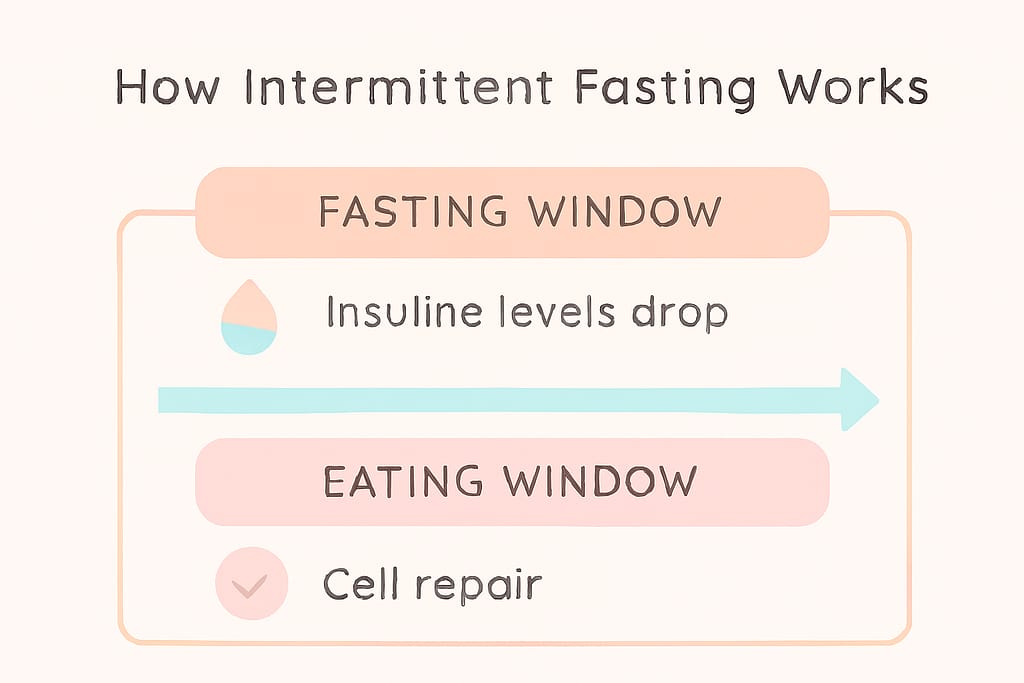
At its core, intermittent fasting means alternating periods of eating and fasting. Common methods include:
- 16:8 — eating during an 8-hour window, fasting 16 hours
- 14:10 or 12:12 — gentler approaches with shorter fasting windows
- 5:2 — eating normally 5 days a week, restricting calories 2 days
- Alternate-day fasting — fasting every other day
During fasting, the body uses stored energy, improves insulin sensitivity, and may trigger cellular repair processes. For many, these changes support fat loss, better blood sugar control, and enhanced metabolic health.
Benefits of intermittent fasting for women’s health
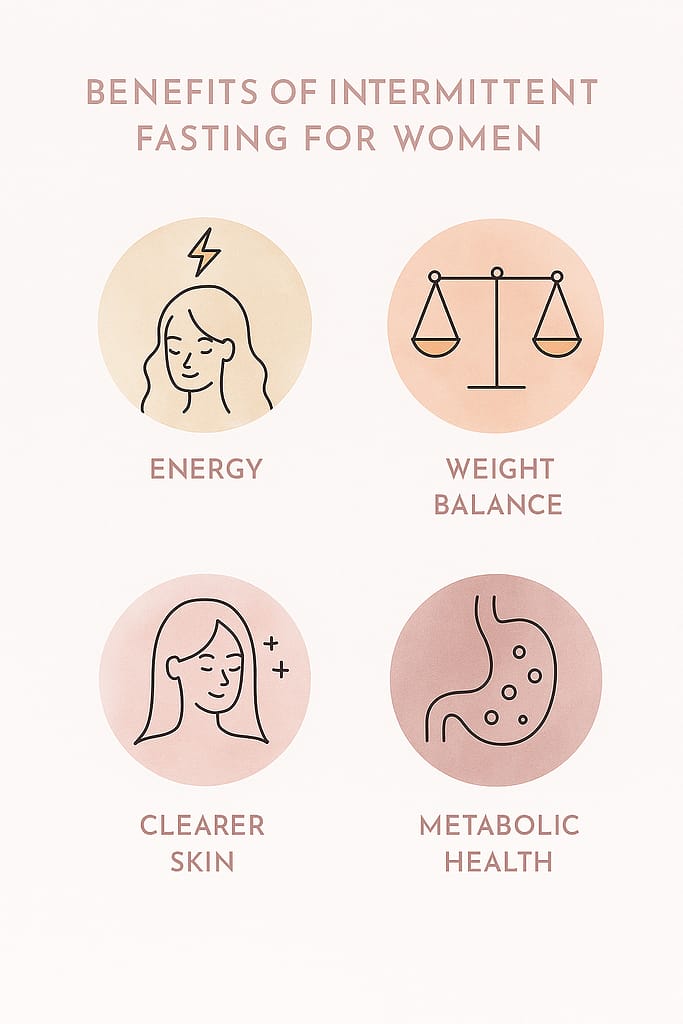
Here are some of the potential benefits when done right:
- Weight management & fat loss — By limiting eating windows, many women find it easier to maintain a calorie deficit without feeling deprived.
- Improved metabolic health — Enhanced insulin sensitivity and stable blood sugar can support energy levels and reduce risk of metabolic issues.
- Reduced inflammation & better cellular repair — Fasting periods may encourage processes like autophagy, supporting long-term health.
- Clarity & energy — Some women report sharper focus, steadier energy, and more vibrant mood — once the body adapts.
- Potential skin, digestion, and gut-health benefits — Rest periods for digestion may improve gut health, digestion regularity, and even skin clarity.
Free resource for you: Try keeping a simple “Fasting & Wellness Journal” (a notebook or spreadsheet) to track your fasting hours, sleep, mood, energy, digestion, and menstruation. This helps you monitor how your body responds — and adjust accordingly.
Potential risks and hormonal considerations
Because women’s bodies are hormonally sensitive, intermittent fasting must be approached cautiously. Risks include:
- Hormonal imbalance or menstrual irregularities — For some women, too-long fasts or severe calorie restriction may disrupt menstrual cycle or fertility.
- Stress response activation — If the body is under stress (poor sleep, high work/study pressure, intense training), fasting may add burden — impacting cortisol and reproductive hormones.
- Nutrient deficiencies — Fasting, if paired with unbalanced eating windows, may lead to inadequate intake of essential vitamins and minerals.
- Energy and mood dips — Some women feel fatigued, irritable, or light-headed — especially when starting out or skipping nutrients.
Because of these risks, experts often advise women to adopt gentler fasting protocols or adjust fasting around their menstrual cycle.
How to fast safely as a woman — practical tips & strategies
Here’s how you can enjoy the benefits while protecting your hormonal health:
Choosing the right fasting schedule
- Start with shorter fasting windows: 12:12 or 14:10 — gentler and less stressful.
- Move gradually: once comfortable, try 16:8. Avoid extreme fasts like alternate-day or multi-day fasting until you know your body’s response.
- Keep flexibility: allow yourself to skip or shorten fasts on stressful days or during heavy workloads.
Listening to your body & adjusting for your cycle
- During menstruation or hormone-heavy phases, opt for shorter fasts or even skip fasting.
- Track how you feel: energy levels, mood, digestion, sleep, menstrual regularity.
- If you notice fatigue, hormonal shifts, irregular cycles — pause fasting, eat balanced meals, rest.
Nutrition, sleep and stress: essential companions
- Prioritize nutrient-dense meals: protein, healthy fats, fiber, vitamins — especially iron, calcium, magnesium.
- Keep hydrated — water, herbal teas, electrolyte-rich drinks if needed.
- Get sufficient sleep and rest — poor sleep amplifies stress.
- Manage stress: mindfulness, light movement (walking, yoga), avoid overtraining while fasting.
Who should avoid or modify intermittent fasting
Intermittent fasting may not be suitable for everyone. You should consider avoiding or modifying IF if you:
- Are pregnant, breastfeeding, trying to conceive or have irregular menstrual cycles.
- Have a history of eating disorders or disordered eating patterns.
- Live a highly active lifestyle (heavy exercise) and cannot compensate with proper nutrition.
- Under high stress (work/studies, family responsibilities) and poor sleep — better to prioritize stability now.
- Are underweight or undernourished.
In those cases, a balanced, regular meal plan and other healthy lifestyle habits may be safer and more effective than fasting.
Real experiences: stories from women who tried it
“I started 16:8 hoping to lose a few kilos — but after two months, my period became irregular. I paused fasting for a month, focused on balanced nutrition, and now do 14:10 with no issues.” — a woman’s testimonio on a women’s health forum.
“With short fasts (12–14 hours) and good sleep, I feel more energetic and less bloated. My digestion improved, but I never attempted longer fasts — listening to my body was key.” — another shared experience.
These stories echo a recurring pattern: many women benefit from gentle fasting, but pushing too hard often leads to hormonal or energy issues. The key: flexibility, self-awareness, and patience.
FAQ – Frequently Asked Questions
Q: Is intermittent fasting good for all women?
A: Not necessarily. IF can offer benefits, but women with hormonal sensitivity, high stress, or dietary challenges should approach it cautiously or choose gentler protocols.
Q: How long should a woman fast for optimal hormonal balance?
A: For many women, a shorter fast of 12–14 hours or a 14:10 schedule is a safer starting point. Always listen to your body and adjust as needed.
Q: Can intermittent fasting affect menstrual cycle or fertility?
A: Yes — strict or prolonged fasting may lead to irregular periods or hormonal disruption. If that happens, pause fasting and focus on balanced nutrition and rest.
Q: What should I eat during eating windows to stay healthy while fasting?
A: Prioritize nutrient-dense meals rich in protein, healthy fats, fiber, vitamins and minerals. Avoid excessive processed foods or calorie restriction.
Q: When should I avoid intermittent fasting entirely?
A: If you are pregnant, breastfeeding, underweight, have history of eating disorders, or are under high stress / poor sleep — it’s safer to avoid IF and focus on consistent, balanced meals.
Conclusion & Call to Action
Intermittent fasting for women can be a powerful wellness tool — if you approach it with care, respect for your body, and a dose of flexibility. Gentle fasting, proper nutrition, good sleep, and stress management together form the foundation of a hormone-friendly lifestyle.
If you found this guide helpful, join our growing community — subscribe to the newsletter for more women-focused wellness advice, and share this article with friends who might benefit. Let’s support each other on the journey to balanced health!