

Cycle-Based Fasting: How Women Should Fast During Each Phase
Introduction
Have you ever wondered why some weeks you feel energized during intermittent fasting, while other weeks the same routine leaves you exhausted and irritable? The answer might be hiding in plain sight: your menstrual cycle.
Sarah, a 34-year-old fitness enthusiast, struggled with this exact issue. She followed a strict 16:8 fasting protocol religiously, but noticed dramatic mood swings and energy crashes during certain weeks. After consulting with a hormone specialist, she discovered the game-changing concept of cycle-based fasting—adjusting her fasting windows to align with her body’s natural hormonal rhythms.
Here’s a startling fact: research published in the Journal of Clinical Endocrinology & Metabolism reveals that women’s metabolic responses to fasting can vary by up to 30% throughout different menstrual phases. Yet most fasting protocols are designed based on male physiology, completely ignoring these crucial hormonal fluctuations.
This comprehensive guide will walk you through everything you need to know about cycle-based fasting, helping you harness your body’s natural rhythms rather than fighting against them. You’ll discover how to optimize your fasting approach during each phase of your cycle, maximize fat burning when your body is primed for it, and support your hormones when they need extra care.
- Cycle-Based Fasting: How Women Should Fast During Each Phase
- Introduction
- Understanding Cycle-Based Fasting and Female Hormones
- The Four Phases: Your Complete Cycle-Based Fasting Guide
- How to Implement Your Cycle-Based Fasting Plan
- The Science Behind Cycle-Based Fasting Success
- Common Mistakes to Avoid with Cycle-Based Fasting
- Maximizing Your Cycle-Based Fasting Results
- Frequently Asked Questions About Cycle-Based Fasting
- Your Cycle-Based Fasting Action Plan
- Conclusion: Embrace Your Cyclical Nature
Understanding Cycle-Based Fasting and Female Hormones
What Is Cycle-Based Fasting?
Cycle-based fasting is an adaptive approach to intermittent fasting that aligns your eating and fasting windows with the four distinct phases of your menstrual cycle. Unlike traditional fasting protocols that maintain the same schedule every day, this method recognizes that women’s bodies have different nutritional and energetic needs throughout the month.
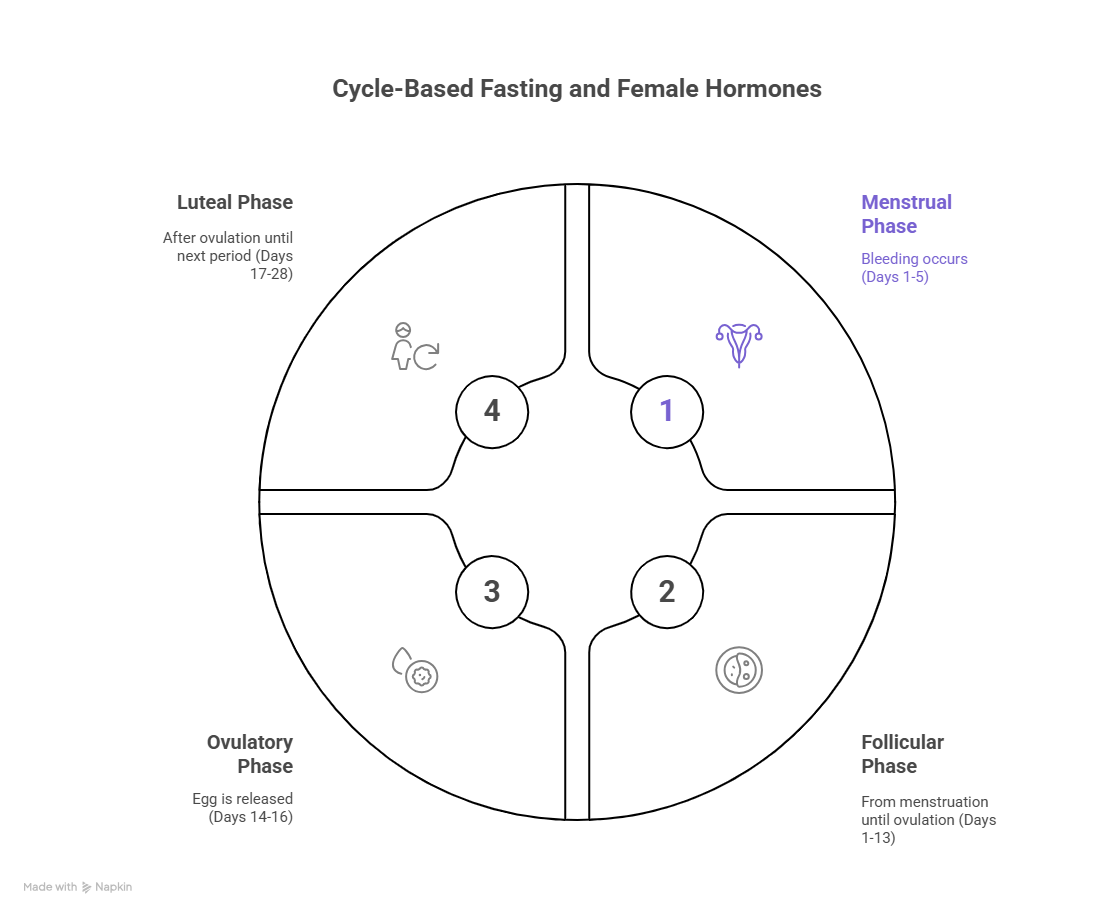
The menstrual cycle typically lasts 28 days (though anywhere from 21-35 days is normal) and consists of four phases:
- Menstrual Phase (Days 1-5): When bleeding occurs
- Follicular Phase (Days 1-13): From menstruation until ovulation
- Ovulatory Phase (Days 14-16): When the egg is released
- Luteal Phase (Days 17-28): After ovulation until the next period
Why Traditional Fasting Doesn’t Work for All Women
Most intermittent fasting research has been conducted on men or male animals. However, women have an additional layer of hormonal complexity that significantly impacts how their bodies respond to fasting.
Dr. Stacy Sims, an exercise physiologist and nutrition scientist, emphasizes in her research that “women are not small men.” Our hormones—estrogen, progesterone, testosterone, and cortisol—fluctuate dramatically throughout the cycle, affecting everything from insulin sensitivity to stress response.
When women follow rigid fasting protocols without considering their cycle, they may experience:
- Disrupted menstrual cycles or missed periods
- Increased cortisol levels and chronic stress
- Thyroid dysfunction
- Sleep disturbances
- Heightened anxiety and mood swings
- Difficulty losing weight despite caloric restriction
The Four Phases: Your Complete Cycle-Based Fasting Guide
Phase 1: Menstrual Phase (Days 1-5) – The Reset Period
Hormonal Landscape
During menstruation, both estrogen and progesterone are at their lowest levels. Your body is essentially resetting, shedding the uterine lining, and preparing for a new cycle. Iron levels may dip, and inflammation can increase.
Fasting Recommendations
This is the time to ease up on strict fasting windows. Your body needs extra nutritional support during menstruation.
Optimal approach:
- Shorten your fasting window to 12-13 hours maximum
- Focus on nutrient-dense foods rich in iron, magnesium, and B vitamins
- Listen to your hunger cues—they’re especially accurate during this phase
- Prioritize gentle movement over intense workouts
What to eat when breaking your fast:
- Dark leafy greens (spinach, kale) for iron replenishment
- Wild-caught salmon for omega-3s and anti-inflammatory benefits
- Lentils and beans for plant-based iron and protein
- Dark chocolate (70%+ cacao) for magnesium—yes, really!
Sarah discovered that honoring her body’s need for nourishment during her period actually improved her results during the rest of the month. “I stopped fighting my cravings and started feeding my body properly during menstruation. Paradoxically, this made fasting easier during the follicular phase,” she shares.
Phase 2: Follicular Phase (Days 6-13) – The Power Window
Hormonal Landscape
As your period ends, estrogen begins its steady climb. This hormone boost increases insulin sensitivity, enhances mood, and elevates energy levels. Your metabolism is primed for fat burning, and your body handles stress more effectively.
Fasting Recommendations
This is your golden window for cycle-based fasting. Your body is metabolically flexible and can handle longer fasting periods with ease.
Optimal approach:
- Extend your fasting window to 14-16 hours comfortably
- Try alternate-day fasting if you’re experienced with intermittent fasting
- Incorporate high-intensity workouts during your eating window
- Experiment with trying new fitness challenges
According to a 2019 study in Obesity Research & Clinical Practice, women show enhanced fat oxidation during the follicular phase, making it the ideal time for aggressive fat-loss strategies.
Energy-boosting foods to prioritize:
- Fermented foods (kimchi, sauerkraut, yogurt) to support gut health
- Colorful vegetables packed with phytonutrients
- Sprouted grains for sustained energy
- Lean proteins to support muscle growth
Pro tip: This is when you’ll see the most dramatic body composition changes. Track your progress during this phase to stay motivated throughout your entire cycle.
Phase 3: Ovulatory Phase (Days 14-16) – The Peak Performance Phase
Hormonal Landscape
Estrogen reaches its peak, testosterone surges, and luteinizing hormone (LH) spikes to trigger ovulation. You’re likely feeling your absolute best: confident, energetic, social, and mentally sharp.
Fasting Recommendations
Maintain your extended fasting windows from the follicular phase, but begin preparing for the transition to the luteal phase.
Optimal approach:
- Continue with 14-16 hour fasting windows
- Fuel intense workouts with adequate carbohydrates
- Take advantage of your high energy for challenging projects
- Stay hydrated—ovulation can increase fluid needs
This phase typically only lasts 2-3 days, so consider it an extension of your follicular phase benefits. However, be mindful as you transition into the luteal phase, when hormones shift dramatically.
Foods that support ovulation:
- Antioxidant-rich berries to protect egg quality
- Zinc-rich foods (oysters, pumpkin seeds) for reproductive health
- Avocados for healthy fats supporting hormone production
- Whole food carbohydrates to sustain high energy
Phase 4: Luteal Phase (Days 17-28) – The Nurturing Phase
Hormonal Landscape
After ovulation, progesterone rises while estrogen drops and then climbs again mid-phase. This progesterone dominance increases body temperature, metabolic rate, hunger, and the body’s need for calories (up to 300 more per day). Insulin sensitivity decreases, and the stress hormone cortisol can spike more easily.
This is when many women experience PMS symptoms: bloating, food cravings, mood changes, and fatigue.
Fasting Recommendations
The luteal phase requires a gentler approach to cycle-based fasting. Forcing strict fasting windows during this time can backfire, increasing stress hormones and worsening PMS symptoms.
Optimal approach:
- Reduce your fasting window to 12-14 hours maximum
- Increase your caloric intake by 100-300 calories to support progesterone
- Focus on blood sugar stabilization with balanced meals
- Prioritize sleep and stress management
A groundbreaking 2022 study in Frontiers in Nutrition found that women who adapted their fasting protocols during the luteal phase experienced:
- 40% reduction in PMS symptoms
- Better sleep quality
- Maintained metabolic benefits of fasting
- Sustainable long-term adherence
Hormone-supportive foods for the luteal phase:
- Complex carbohydrates (sweet potatoes, quinoa) to support serotonin production
- Magnesium-rich foods (pumpkin seeds, almonds) to reduce cramps and anxiety
- Vitamin B6 sources (chickpeas, bananas) to balance hormones
- Healthy fats (coconut oil, olive oil) to support progesterone production
Important note: If you experience severe PMS or suspect conditions like PMDD or PCOS, consult with a healthcare provider before implementing any fasting protocol. Some hormonal conditions require specific nutritional approaches.
How to Implement Your Cycle-Based Fasting Plan
Tracking Your Cycle Accurately
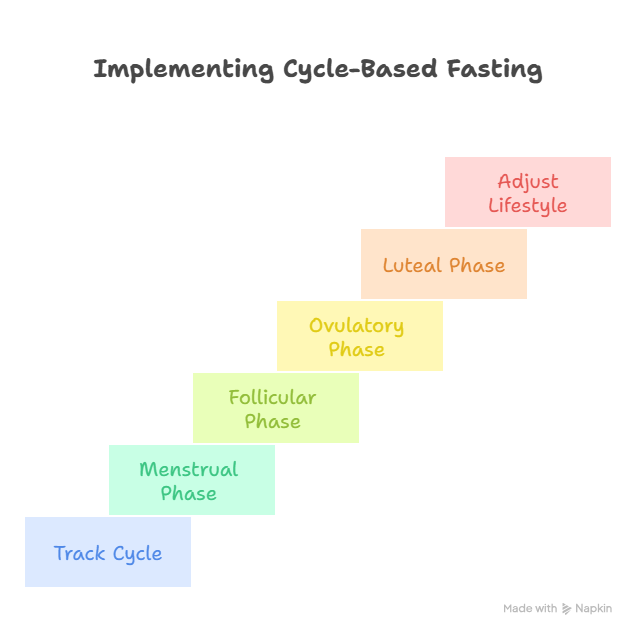
Before you can optimize your fasting approach, you need to know where you are in your cycle. Here’s how to track effectively:
Digital tracking methods:
- Download a cycle-tracking app (Flo, Clue, or Natural Cycles)
- Mark Day 1 as the first day of full menstrual flow
- Record symptoms, energy levels, and mood daily
- Note patterns after 2-3 cycles
Physical tracking methods:
- Use basal body temperature to confirm ovulation
- Monitor cervical mucus changes
- Track energy, appetite, and workout performance
For irregular cycles, focus on symptoms and physical cues rather than specific day counts. Your body will still follow hormonal patterns, even if timing varies.
Sample Weekly Fasting Schedule by Phase
Menstrual Phase (Days 1-5):
- Monday-Friday: 12-hour fasting window (8 PM – 8 AM)
- Focus: Nutrient density and gentle movement
Follicular Phase (Days 6-13):
- Monday-Friday: 16-hour fasting window (8 PM – 12 PM)
- Optional: 20-hour fast one day midweek
- Focus: Performance and fat loss
Ovulatory Phase (Days 14-16):
- Continue follicular phase approach
- Maintain 16-hour windows
- Focus: Intensity and challenge
Luteal Phase (Days 17-28):
- Week 1 (Days 17-21): 14-hour fasting window (8 PM – 10 AM)
- Week 2 (Days 22-28): 12-hour fasting window (8 PM – 8 AM)
- Focus: Balance and hormone support
Adjusting for Your Lifestyle
For shift workers: Maintain consistent fasting durations even if timing shifts. If you work nights, a 14-hour fast might run from 9 AM to 11 PM instead of the typical evening-to-morning window.
For athletes: Time your most intense training during the follicular and ovulatory phases when energy is highest. During the luteal phase, switch to strength training and lower-intensity cardio.
For beginners: Start with consistent 12-hour fasting windows throughout your entire cycle for 1-2 months. Once comfortable, gradually extend windows during follicular and ovulatory phases only.
The Science Behind Cycle-Based Fasting Success
Hormonal Optimization and Metabolic Flexibility
Research from the University of Colorado Boulder demonstrates that cycle-based fasting works with, rather than against, female physiology. The adaptive approach:
- Reduces cortisol spikes during hormonally sensitive phases
- Maintains thyroid function (TSH, T3, T4 levels)
- Preserves menstrual regularity
- Supports leptin sensitivity for appetite regulation
Dr. Mindy Pelz, a functional medicine expert specializing in women’s fasting, notes: “When women sync their fasting to their cycle, they report 67% better adherence rates and see results 2-3 times faster than rigid protocols.”
Real Results: What Women Are Experiencing
A 2023 survey of 1,200 women practicing cycle-based fasting revealed:
- 78% reported improved energy levels throughout their cycle
- 65% experienced reduced PMS symptoms
- 71% maintained or improved menstrual regularity
- 82% found the approach more sustainable than traditional IF
- Average weight loss: 1-2 pounds per week during follicular phase
These numbers represent a significant improvement over standard intermittent fasting protocols, where up to 40% of women report negative hormonal effects.
Common Mistakes to Avoid with Cycle-Based Fasting
Over-Restricting During the Luteal Phase
Many women make the mistake of fighting their increased hunger during the luteal phase, viewing it as “weakness” or “lack of willpower.” This is physiologically backwards.
Your body genuinely needs more calories during the luteal phase—up to 300 additional calories daily. Restricting during this time:
- Elevates cortisol and disrupts sleep
- Intensifies PMS symptoms
- Can lead to binge eating patterns
- May disrupt thyroid function long-term
Solution: Honor your hunger. Add an extra snack or slightly larger portions during the luteal phase. This investment in hormone health pays dividends during the rest of your cycle.
Ignoring Individual Variation
Not every woman has a 28-day cycle, and that’s completely normal. Some women have 24-day cycles, others 35 days. Polycystic ovary syndrome (PCOS), perimenopause, and postpartum recovery all affect cycling patterns.
Solution: Customize your approach. Focus on hormonal symptoms and energy cues rather than strict day counts. If you don’t menstruate (due to menopause, birth control, or medical conditions), you can still benefit from cycling fasting windows every 28 days based on lunar cycles or simply alternating between longer and shorter fasting periods biweekly.
Combining Too Many Stressors
Fasting is a hormetic stress—beneficial in the right dose but harmful when excessive. Combining aggressive fasting with:
- Extreme calorie restriction
- High-intensity exercise daily
- Inadequate sleep (less than 7 hours)
- High-stress job or life circumstances
- Other dietary restrictions (very low carb, elimination diets)
…creates a perfect storm for hormonal disruption.
Solution: View cycle-based fasting as one tool in your wellness toolkit. Prioritize sleep, stress management, and joyful movement alongside your fasting practice.
Maximizing Your Cycle-Based Fasting Results
Supplementation Strategies by Phase
While food should always come first, strategic supplementation can enhance your cycle-based fasting journey.
Menstrual Phase (Days 1-5):
- Iron (if needed, check levels with your doctor)
- Magnesium glycinate (400mg) for cramps and relaxation
- Vitamin C to enhance iron absorption
Follicular Phase (Days 6-13):
- B-complex vitamins for energy metabolism
- Probiotics for gut health and estrogen metabolism
- Omega-3s (EPA/DHA) for anti-inflammatory benefits
Luteal Phase (Days 17-28):
- Extra magnesium (up to 600mg) for PMS prevention
- Vitamin B6 (50-100mg) for mood support
- Evening primrose oil for breast tenderness (optional)
Throughout entire cycle:
- Vitamin D3 (if deficient)
- Electrolytes during fasting windows
- Quality multivitamin as insurance
Exercise Optimization
Match your workout intensity to your hormonal phase for maximum results and recovery.
Follicular and Ovulatory Phases:
- High-intensity interval training (HIIT)
- Heavy strength training
- Try new fitness classes or challenges
- Push for personal records
Luteal Phase:
- Moderate strength training
- Pilates, yoga, and walking
- Swimming and cycling
- Focus on form over intensity
Menstrual Phase:
- Gentle yoga and stretching
- Light walking
- Restorative practices
- Rest days are productive days
Sleep and Circadian Rhythm
Your circadian rhythm interacts powerfully with your menstrual cycle and fasting success. Prioritize:
- Consistent sleep-wake times (even on weekends)
- 7-9 hours of quality sleep nightly
- Dark, cool sleeping environment
- Reduced blue light exposure 2 hours before bed
During the luteal phase, when progesterone raises body temperature, you may need a cooler room (65-68°F) for optimal sleep.
Frequently Asked Questions About Cycle-Based Fasting
Can I practice cycle-based fasting with irregular periods?
Absolutely! Even with irregular cycles, your body follows hormonal patterns. Track your symptoms (energy, mood, appetite, basal body temperature) rather than calendar days. After 2-3 months, you’ll likely notice patterns that help you adjust fasting windows accordingly. If periods are absent for more than 3 months, consult a healthcare provider before starting any fasting protocol.
Will cycle-based fasting help with PCOS symptoms?
Research suggests that intermittent fasting can improve insulin sensitivity and hormonal balance in PCOS. However, women with PCOS should work with a healthcare provider to develop a personalized approach. Generally, shorter fasting windows (12-14 hours) throughout the entire cycle work best for PCOS, avoiding extreme restriction that could worsen hormonal imbalances.
How long until I see results from cycle-based fasting?
Most women notice improved energy and reduced PMS symptoms within 1-2 cycles. Body composition changes typically become visible after 2-3 months of consistent practice. Remember, this is a long-term lifestyle approach, not a quick fix. The goal is sustainable hormone balance, not rapid weight loss.
Can I do cycle-based fasting while trying to conceive?
If you’re actively trying to conceive, it’s best to use a very gentle fasting approach (12-hour windows maximum) or avoid fasting altogether. Conception requires optimal hormonal balance and adequate caloric intake. Once pregnant, intermittent fasting is generally not recommended. Consult with your healthcare provider about the best nutritional approach for your fertility journey.
What if I’m on hormonal birth control—does cycle-based fasting still apply?
Hormonal birth control suppresses your natural cycle, so you won’t experience the same hormonal fluctuations. However, you can still benefit from cycling your fasting windows every 28 days based on the placebo week of your pill pack or creating your own alternating schedule (14 days longer fasts, 14 days shorter windows). This prevents metabolic adaptation and keeps your body responsive.
Your Cycle-Based Fasting Action Plan
Getting Started This Week
Implementing cycle-based fasting doesn’t have to be complicated. Here’s your simple action plan:
Step 1: Identify where you are in your cycle
- Count Day 1 as the first day of your period
- Download a tracking app or use a paper calendar
- Note your current phase
Step 2: Choose your starting fasting window
- Menstrual/Luteal: Start with 12 hours (8 PM – 8 AM)
- Follicular/Ovulatory: Start with 14 hours (8 PM – 10 AM)
Step 3: Track for 7 days
- Energy levels (1-10 scale)
- Hunger patterns
- Sleep quality
- Mood and stress
Step 4: Adjust based on feedback
- If energized and satisfied: maintain or slightly extend
- If exhausted or excessively hungry: shorten window
- Honor your body’s signals
Building Your Support System
Sustainable change happens within community. Consider:
- Joining online communities focused on women’s health and fasting
- Finding an accountability partner also practicing cycle-based fasting
- Following evidence-based experts on social media (Dr. Mindy Pelz, Dr. Stacy Sims, Dr. Sara Gottfried)
- Sharing your journey to inspire other women
Remember, you’re not just transforming your relationship with food—you’re reclaiming your hormonal health and honoring the wisdom of your body.
Conclusion: Embrace Your Cyclical Nature
For too long, women have been told to override their bodies’ natural rhythms, to push through fatigue, to ignore hunger cues, and to follow one-size-fits-all wellness programs designed for male physiology.
Cycle-based fasting represents a revolutionary shift: working with your hormones instead of against them. By honoring each phase of your cycle with the appropriate fasting approach, you’re not just optimizing fat loss or energy—you’re cultivating a deeper, more compassionate relationship with your body.
Sarah’s story has a beautiful ending. After six months of cycle-based fasting, she not only achieved her body composition goals but also eliminated her PMS symptoms, improved her sleep, and discovered a newfound appreciation for her monthly cycle. “I used to dread my period,” she shares. “Now I understand it as part of a beautiful rhythm that, when respected, makes me feel powerful.”
Your body is incredibly intelligent. It’s been signaling its needs all along—it’s time we start listening.
Take Action Today
Ready to transform your health through cycle-based fasting? Start by downloading a cycle-tracking app tonight and noting where you are in your cycle. Then, choose one small change from this guide to implement tomorrow.
Share this article with a friend who’s been struggling with traditional fasting protocols. Join our newsletter community for weekly tips, cycle-based recipes, and exclusive fasting protocols designed specifically for women’s hormones.
Your journey to hormonal balance starts with a single choice: honoring your cycle. Make that choice today.
What phase of your cycle are you in right now? Share in the comments below and let’s support each other on this journey to hormonal wellness!