

Have you ever felt like your body just stopped cooperating after hitting 40? You’re eating the same foods, exercising regularly, yet the scale refuses to budge—and worse, you’re gaining weight in places you never did before. If this sounds familiar, you’re not alone. Research shows that women’s metabolic rate decreases by approximately 5% every decade after 40, making traditional dieting approaches increasingly frustrating and ineffective.
But here’s the game-changing solution thousands of women are discovering: an intermittent fasting schedule specifically tailored for female physiology after 40.
Unlike restrictive diets that leave you hungry and exhausted, intermittent fasting works with your body’s natural rhythms to restore hormonal balance, boost metabolism, and help you finally achieve sustainable weight loss. In this comprehensive guide, I’ll walk you through everything you need to know about creating an intermittent fasting schedule that actually works for women over 40.

Understanding Intermittent Fasting for Women Over 40
Intermittent fasting isn’t just another diet trend—it’s an eating pattern that cycles between periods of eating and fasting. But before you jump in, it’s crucial to understand why women over 40 need a different approach than men or younger women.
What Makes Women’s Bodies Different
Women’s bodies are exquisitely sensitive to caloric restriction. While men can often dive into aggressive fasting protocols without issues, women—especially those over 40—need a gentler, more strategic approach. Here’s why:
Hormonal sensitivity: Your hypothalamic-pituitary-gonadal axis (the command center for reproductive hormones) responds strongly to perceived starvation. Push too hard with fasting, and you risk disrupting thyroid function, cortisol levels, and sex hormones.
Metabolic adaptation: After 40, declining estrogen affects how your body stores fat and processes insulin. An appropriate intermittent fasting schedule can actually improve insulin sensitivity and support healthy hormone levels.
Bone density concerns: Women over 40 face increased osteoporosis risk. Your fasting protocol must ensure adequate nutrient intake during eating windows to protect bone health.
How Hormones Impact Your Fasting Results
The relationship between fasting and hormones is a two-way street. Done correctly, time-restricted eating can:
- Reduce insulin resistance by up to 30%
- Lower inflammation markers
- Support healthy leptin levels (your satiety hormone)
- Improve growth hormone secretion during sleep
However, excessive fasting can elevate cortisol and disrupt already-declining estrogen and progesterone levels. This is why choosing the right intermittent fasting schedule is non-negotiable for women over 40.
The Best Intermittent Fasting Schedule Options for Women
Not all fasting protocols are created equal. Here are the most effective and safest options for women over 40, ranked from beginner to advanced.

The 16:8 Method (Beginner-Friendly)
The protocol: Fast for 16 hours, eat within an 8-hour window.
Example schedule:
- Eating window: 12:00 PM – 8:00 PM
- Fasting window: 8:00 PM – 12:00 PM (next day)
Why it works for women over 40:
This is the most popular intermittent fasting schedule because it’s sustainable and effective. You’re simply skipping breakfast and enjoying two solid meals plus snacks within your eating window. Many women report:
- 8-12 pounds lost in the first month
- Improved energy levels after the initial 1-week adaptation
- Better sleep quality
- Reduced afternoon energy crashes
Pro tip: Start with a 12-hour fast (12:12) for the first week, then gradually extend to 14:10, then finally 16:8 over three weeks.
The 14:10 Protocol (Gentle Approach)
The protocol: Fast for 14 hours, eat within a 10-hour window.
Example schedule:
- Eating window: 9:00 AM – 7:00 PM
- Fasting window: 7:00 PM – 9:00 AM
Why it works for women over 40:
This gentler approach provides many of intermittent fasting’s benefits while minimizing hormonal disruption. Research published in Cell Metabolism showed that even a 14-hour overnight fast improved metabolic markers in women.
Best for:
- Fasting beginners
- Women experiencing perimenopause symptoms
- Those with demanding morning schedules requiring early breakfast
- Anyone with a history of disordered eating

The 5:2 Diet (Flexible Weekly Pattern)
The protocol: Eat normally five days per week, reduce calories to 500-600 on two non-consecutive days.
Example schedule:
- Monday-Tuesday: Normal eating (1,800-2,000 calories)
- Wednesday: Reduced calories (500-600 calories)
- Thursday-Friday: Normal eating
- Saturday: Reduced calories (500-600 calories)
- Sunday: Normal eating
Why it works for women over 40:
This intermittent fasting schedule offers maximum flexibility for busy lifestyles. You can plan your reduced-calorie days around social events, work obligations, and family dinners.
Studies show women following 5:2 protocols experienced:
- Average weight loss of 6-8 pounds per month
- 15% reduction in inflammatory markers
- Improved cholesterol profiles
Alternate Day Fasting (Advanced)
The protocol: Alternate between regular eating days and fasting/very low-calorie days (500 calories).
Important note: This is the most aggressive approach and should only be attempted by women over 40 who’ve successfully practiced intermittent fasting for at least 3-6 months. Many women find this too restrictive and experience hormonal disruptions.
Creating Your Personalized Intermittent Fasting Schedule
Cookie-cutter approaches rarely work for women over 40. Here’s how to customize your fasting protocol for optimal results.
Assessing Your Current Lifestyle
Before choosing an intermittent fasting schedule, honestly evaluate:
- Your current eating patterns: Do you eat breakfast? Are you a night snacker?
- Energy demands: Do you exercise in the morning? Have a physical job?
- Social commitments: When do you typically share meals with family?
- Stress levels: High chronic stress + aggressive fasting = hormonal disaster
- Sleep quality: Poor sleep makes fasting harder and less effective
Choosing the Right Starting Point
Based on your assessment, select your entry point:
Choose 14:10 if you:
- Are new to fasting
- Have thyroid issues
- Experience significant perimenopausal symptoms
- Need maximum flexibility
Choose 16:8 if you:
- Want faster results
- Already skip breakfast naturally
- Have stable energy levels
- Are ready for a moderate challenge
Choose 5:2 if you:
- Prefer eating normally most days
- Have unpredictable schedules
- Don’t want daily time restrictions
Adjusting Based on Your Monthly Cycle
If you’re still menstruating, your intermittent fasting schedule should adapt to your cycle:
Follicular phase (Days 1-14): Your body handles fasting best. Stick to your chosen protocol.
Ovulation (Days 14-16): Maintain your schedule but ensure adequate calories.
Luteal phase (Days 17-28): This is when progesterone peaks. Consider:
- Reducing fasting window by 2 hours
- Adding an extra 200-300 calories
- Taking rest days if needed
During menstruation: Listen to your body. If you’re exhausted or cramping, shorten your fast or take a break.
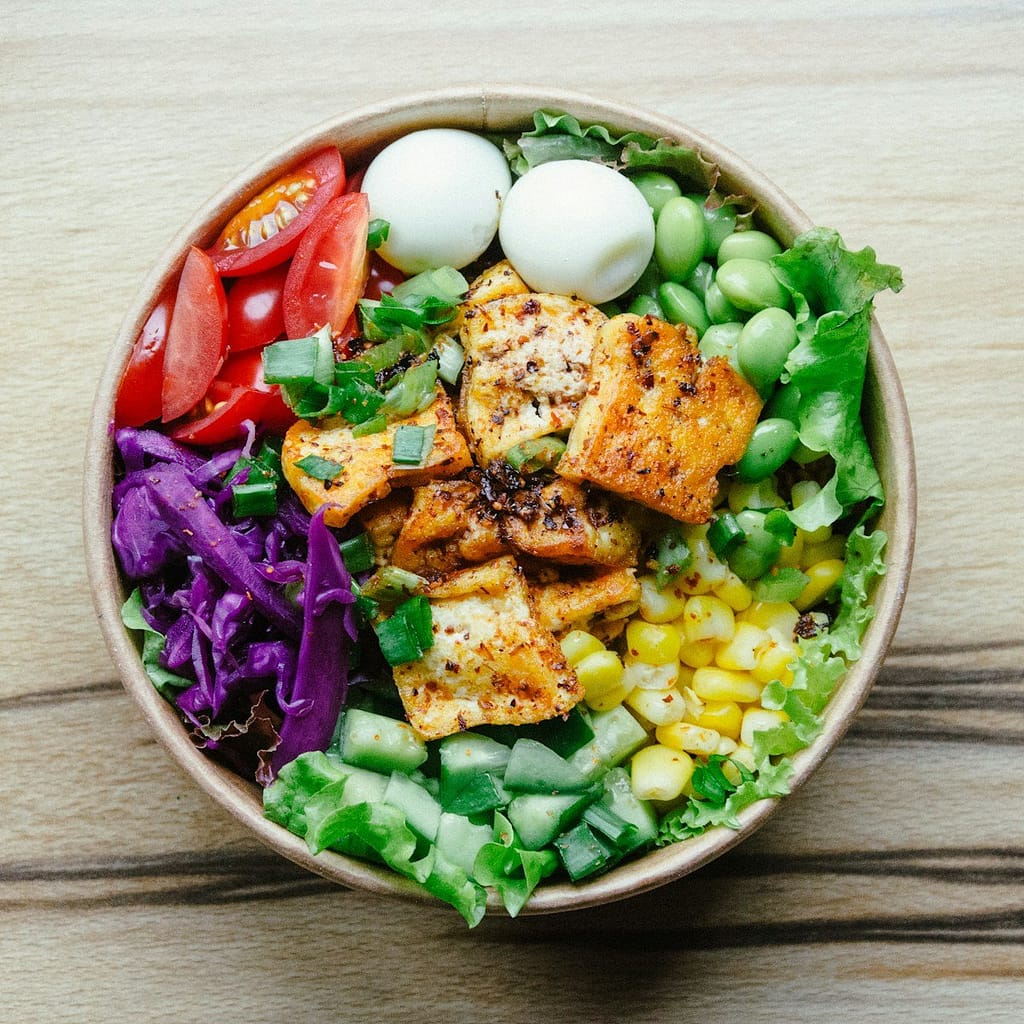
What to Eat During Your Eating Window
Your intermittent fasting schedule is only half the equation. What you eat during your eating window determines your success.
Protein Requirements for Women Over 40
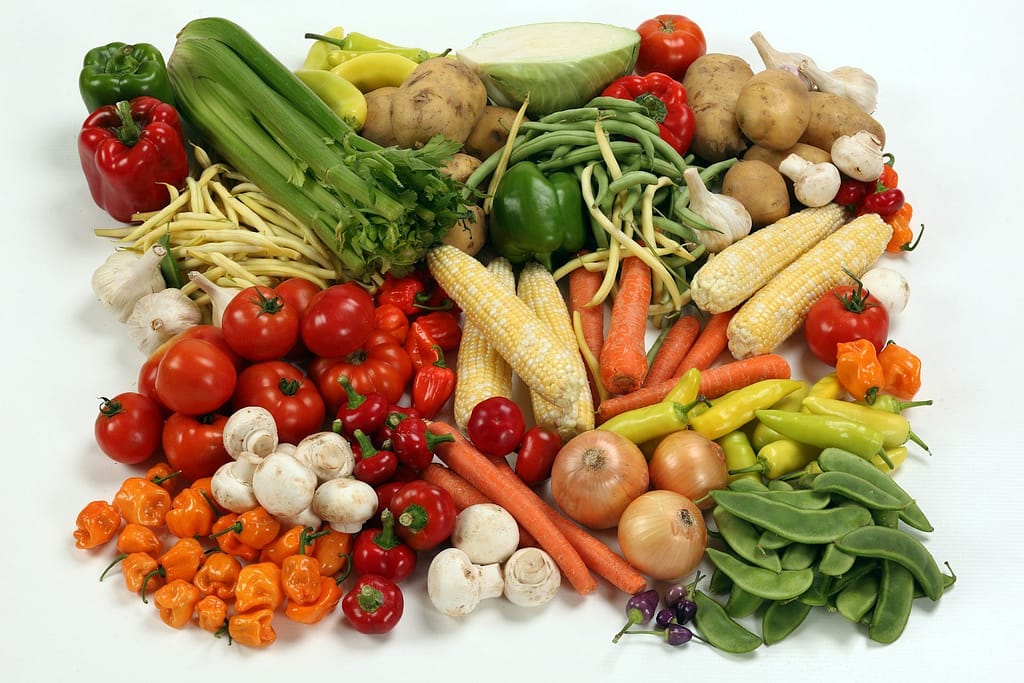
After 40, you need MORE protein, not less—approximately 1.0-1.2 grams per pound of ideal body weight to preserve muscle mass.
Prioritize these protein sources:
- Wild-caught fish (salmon, sardines)
- Pasture-raised eggs
- Grass-fed beef or bison
- Organic chicken and turkey
- Greek yogurt
- Legumes and lentils
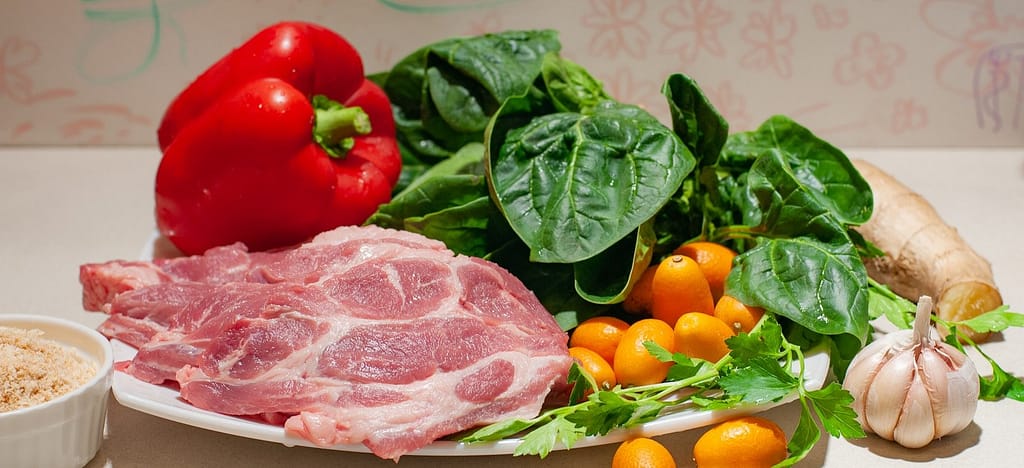
Essential Nutrients for Hormonal Balance
Your eating window must include:
Healthy fats (30-35% of calories):
- Avocados
- Extra virgin olive oil
- Raw nuts and seeds
- Coconut oil
Fiber (25-30 grams daily):
- Leafy greens
- Cruciferous vegetables
- Berries
- Chia and flax seeds
Phytoestrogens (for hormone support):
- Flaxseeds
- Organic soy products
- Sesame seeds
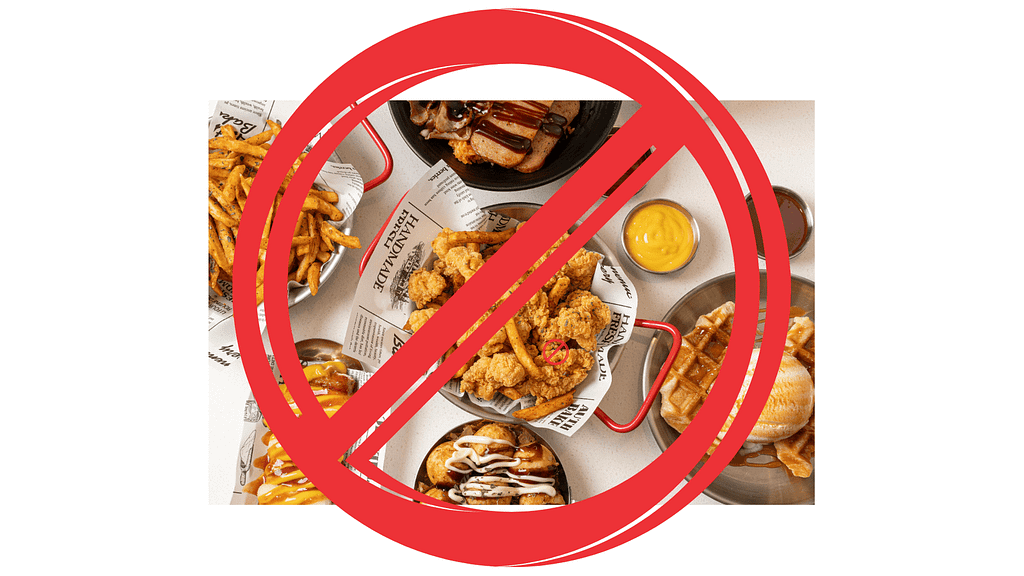
Foods to Avoid During Intermittent Fasting
During your eating window, minimize:
- Refined carbohydrates and sugar
- Processed vegetable oils
- Artificial sweeteners (they can spike insulin)
- Excessive caffeine (disrupts cortisol)
- Alcohol (impairs fat burning)

Common Mistakes Women Make with Intermittent Fasting
Avoid these pitfalls that derail results:
Fasting Too Long Too Soon
The mistake: Jumping straight into 18:6 or 20:4 fasting.
The consequence: Hormonal disruption, extreme hunger, eventual binge eating.
The solution: Start with 12:12, progress gradually over 4-6 weeks.
Ignoring Hunger Signals
The mistake: Pushing through genuine hunger because “you’re supposed to fast.”
The consequence: Elevated cortisol, poor sleep, metabolic slowdown.
The solution: Modify your intermittent fasting schedule if you’re consistently ravenous. Hunger should decrease after the first week—if it doesn’t, adjust.
Not Eating Enough During Eating Windows
The mistake: Restricting calories too severely during eating periods.
The consequence: Your body enters “famine mode,” slowing metabolism.
The solution: Eat to satisfaction. Intermittent fasting creates a calorie deficit naturally—you don’t need to restrict further.
Real Results: Success Stories from Women Over 40
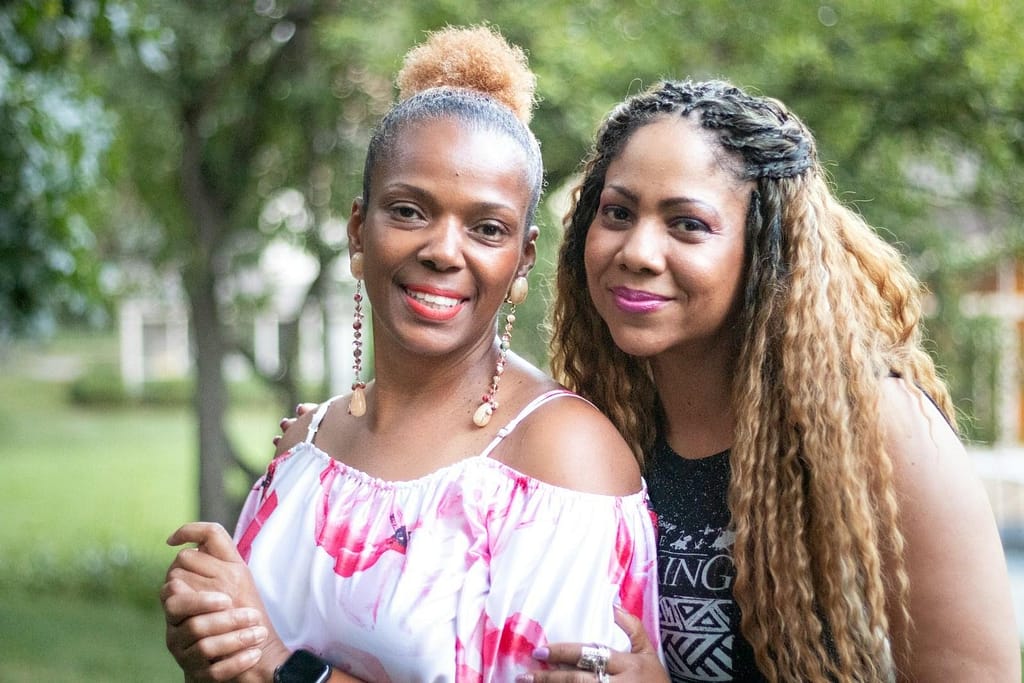
“I tried every diet imaginable after turning 45. Nothing worked until I started a 16:8 intermittent fasting schedule. I’ve lost 23 pounds in four months, but more importantly, my energy is incredible and my hot flashes have decreased significantly.”
— Sarah, 47

“The 14:10 protocol changed my life. I was skeptical at first, but within three weeks, I noticed my clothes fitting better. Six months later, I’m down 18 pounds and my blood sugar is finally in normal range.”
— Jennifer, 52

“I love the 5:2 approach because I can still have dinner with my family every night. I’ve lost 15 pounds without feeling deprived, and my doctor says my inflammation markers have improved dramatically.”
— Michelle, 44
These aren’t isolated cases. A 2021 study found that women over 40 following a structured intermittent fasting schedule lost an average of 7-10% of their body weight over six months while improving multiple health markers.
Frequently Asked Questions About Intermittent Fasting for Women Over 40
Can intermittent fasting mess up my hormones?
When done correctly, intermittent fasting supports healthy hormone levels. However, fasting windows that are too long (20+ hours) or combined with excessive calorie restriction can elevate cortisol and disrupt thyroid function. Start with shorter fasting periods (14:10) and monitor how you feel.
Will I lose muscle mass with intermittent fasting?
Not if you consume adequate protein (1.0-1.2g per pound of ideal body weight) and include resistance training 2-3 times weekly. In fact, intermittent fasting can increase growth hormone production, which helps preserve lean muscle.
What can I drink during my fasting window?
You can enjoy:
- Water (plain or sparkling)
- Black coffee (limit to 1-2 cups)
- Plain tea (green, black, herbal)
- Electrolyte water (no sweeteners)
Avoid anything with calories, including cream, milk, or artificial sweeteners during your fasting window.
How long before I see results?
Most women notice increased energy and reduced bloating within 7-10 days. Measurable weight loss typically begins in weeks 2-3. Give your chosen intermittent fasting schedule at least 4-6 weeks before deciding if it’s working.
Should I fast every single day?
No! Take 1-2 days off per week, especially if you’re:
- Exercising intensely
- Experiencing high stress
- In the luteal phase of your cycle
- Feeling exhausted
Intermittent fasting should enhance your life, not add stress.
Your Next Steps: Getting Started with Confidence
You now have everything you need to create an intermittent fasting schedule that works specifically for your body, lifestyle, and goals as a woman over 40.
Remember these key takeaways:
✓ Start gradually with a 12:12 or 14:10 protocol ✓ Adjust your fasting window based on your menstrual cycle ✓ Prioritize protein and nutrient density during eating windows ✓ Listen to your body—it will tell you if something isn’t working ✓ Give yourself 4-6 weeks to adapt before making judgments
The women who succeed with intermittent fasting share one common trait: they’re patient with themselves and trust the process. You’re not just changing when you eat—you’re reprogramming your metabolism and restoring hormonal balance.
Ready to transform your health after 40? Join our free newsletter where we share weekly meal plans, fasting tips, and success strategies specifically designed for women like you. Plus, get our exclusive “7-Day Intermittent Fasting Starter Guide” delivered instantly to your inbox.
[Subscribe Now – It’s Free]
Have you tried intermittent fasting? Share your experience in the comments below, or save this guide to reference as you begin your journey. Your story might inspire another woman to finally take control of her health!